Maintain Structural Integrity
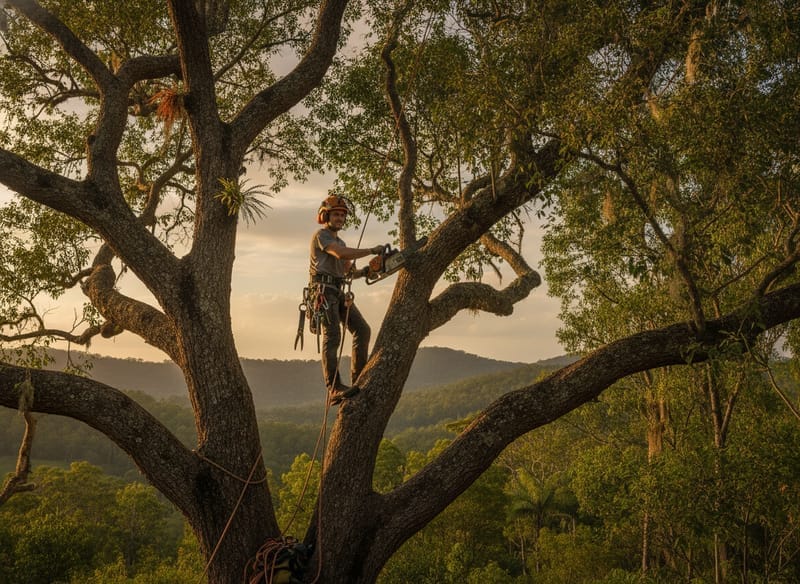
Correct pruning ensures branches remain strongly attached, preventing dangerous failures in high winds.
Professional canopy management, height reduction, and healthier alternatives to outdated tree lopping.
Servicing East Launceston's mature gardens.
When property owners ask for Tree Lopping in East Launceston, they usually want to reduce the size of an overgrown tree. We achieve this through proper arboricultural techniques.
East Launceston is full of magnificent old trees. Hacking them back indiscriminately ruins the aesthetic of the suburb and creates future safety liabilities. We provide height and spread reduction that respects the tree and the neighbourhood.
Correct pruning ensures branches remain strongly attached, preventing dangerous failures in high winds.
We can strategically open up your canopy to increase sunlight without mutilating the tree.
Proper pruning needs to be done less frequently than dealing with the chaotic regrowth caused by lopping.
We listen to what you want to achieve—whether it's more light, boundary clearance, or hazard reduction.
We outline a proper pruning or removal strategy that achieves your goals without damaging tree health.
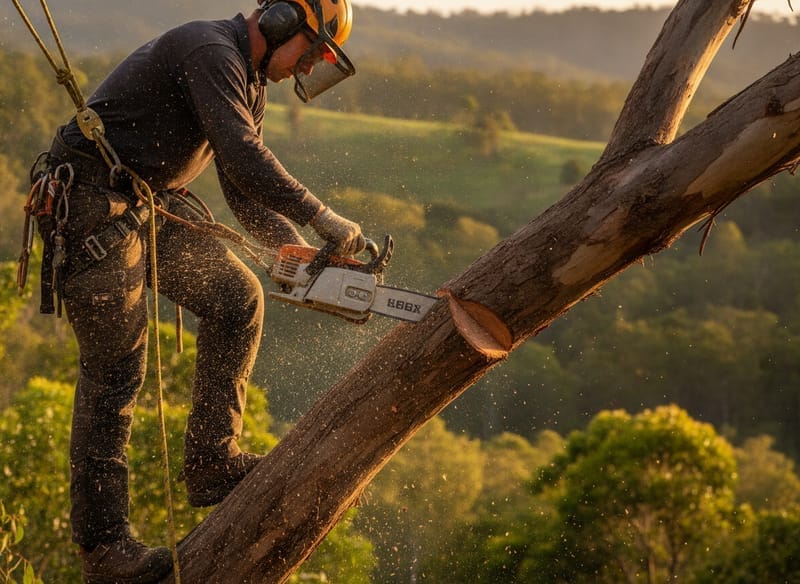
Our climbers make precise reduction cuts to lateral branches, maintaining a natural shape.
All debris is removed, leaving your property neat and tidy.
When maintaining the grand, established gardens of our region, finding qualified professionals for Tree Lopping East Launceston is essential to protect your property and your canopy. Our team at Launceston Arborist understands the unique challenges of managing mature exotic trees and native species across East Launceston, Newstead, and the surrounding suburbs. We specialise in safely reducing tree size, clearing overhanging branches, and managing hazardous canopies without resorting to destructive cutting practices.
East Launceston is renowned for its stunning, historical streetscapes filled with massive English oaks, elms, and silver birches. However, these large trees carry significant sail weight during our notoriously windy spring and early summer months. Overgrown canopies can drop heavy limbs, encroach on rooflines, and block vital winter sunlight. Whether you need to pull back a towering ash tree from your boundary or reduce the height of a sprawling flowering plum, our local climbing arborists have the equipment and expertise to execute the job flawlessly.
The term "lopping" is often used by homeowners who simply want to make a tree smaller or stop it from hanging over their gutters. However, in the arboriculture industry, strict "lopping" or "topping" involves indiscriminate cuts across main trunks or branches, leaving large stubs. This is highly discouraged under Australian Standards, and hiring an uncertified operator to blindly hack back your canopy can lead to disastrous long-term consequences. When a tree is topped, it responds by rapidly pushing out epicormic shoots—weak, poorly attached branches that grow incredibly fast to replace the lost foliage. Within a few seasons, your tree will be just as large, but entirely structurally compromised. In our cool temperate climate, the large wounds left by topping also expose mature exotics to devastating fungal decay and pests, further increasing the likelihood of catastrophic limb failure during late summer drought stress or heavy spring winds. The solution is professional, targeted canopy reduction. We use precise, AS4373-compliant pruning techniques to achieve the size reduction you want while maintaining the tree's natural shape, structural integrity, and long-term health. We cut back to established branch collars, ensuring the tree can heal its wounds and continue thriving safely in your garden.
When you ask our arborists for tree lopping, we assess your specific goals—whether it is gaining clearance, increasing light, or reducing storm hazards—and apply the correct AS4373-compliant technique to achieve it.
The correct horticultural alternative to topping. We reduce the overall height and spread of the tree by selectively cutting branches back to a lateral branch large enough to assume the terminal role. This keeps the tree healthy and retains its natural form while significantly reducing sail weight for the windy season.
Involves the removal of the lowest branches of the canopy. This is ideal for clearing space over driveways, footpaths, roofs, and boundary fences in densely planted East Launceston gardens, allowing better pedestrian access and improved under-planting light.
We selectively remove secondary and small live branches throughout the canopy. This does not change the tree's overall size, but it dramatically reduces wind resistance and allows crucial winter sunlight to penetrate through to your lawn and living areas, without stimulating aggressive epicormic regrowth.
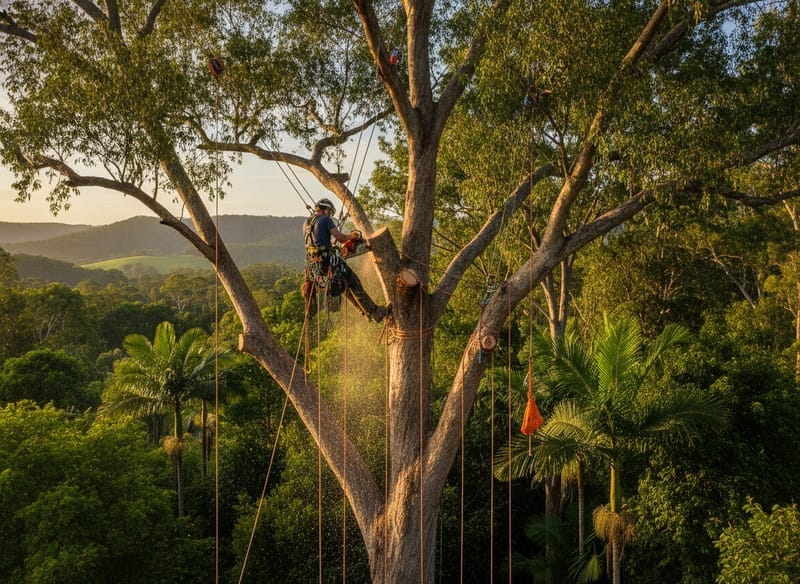
Targeted removal of specific problematic branches. If you have a single heavy limb overhanging your roofline or crowding out a neighbouring property, our climbers will rope-access the tree to safely rig and dismantle that specific branch.
True lopping is acceptable when managing established, formal hedges or screens. We use pole pruners and elevated work platforms (EWPs) to safely reduce the height of overgrown boundary plantings, bringing them back under control before they encroach on powerlines.
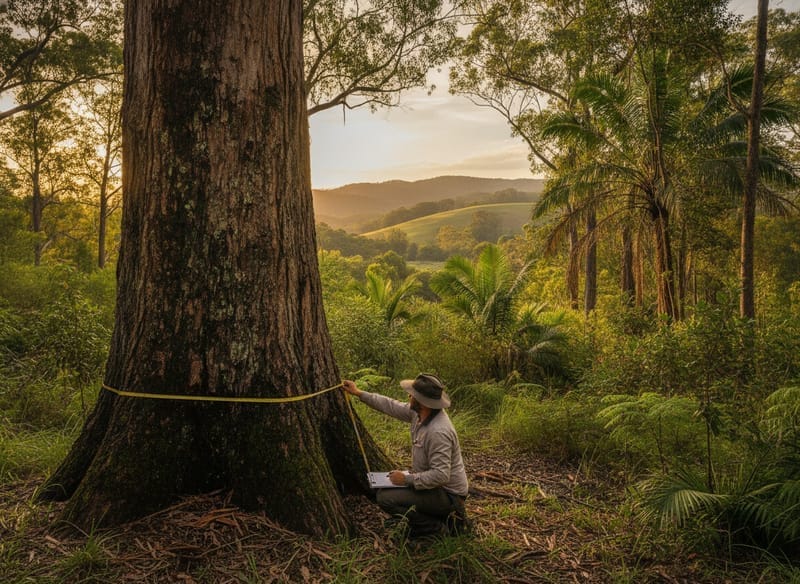
Delivering safe, high-quality tree work in residential environments requires careful planning and execution. We begin every project with an on-site consultation. One of our qualified arborists will walk your property, assess the target tree, and discuss exactly what you want to achieve. We will advise you on the healthiest way to reduce the canopy and provide a transparent, itemised quote.
Once approved, we coordinate the scheduling and handle any necessary safety planning. On the day of the job, our crew arrives fully equipped with top-handle climbing chainsaws, heavy-duty rigging gear, and elevated work platforms where access permits. For tight East Launceston properties where machinery cannot reach, our AQF Level 3 climbers utilize advanced rope access techniques to safely dismantle branches piece by piece, lowering them on ropes to prevent damage to your manicured gardens or underlying structures.
As the canopy is reduced, our ground crew processes the limbs through our wood chippers, converting the debris into premium garden mulch. We rake and blow down the entire site, ensuring your driveway and lawn are left completely immaculate. You are left with a beautifully proportioned, safer tree and zero mess to clean up.
All pruning and reduction work we undertake is strictly aligned with AS4373 - Pruning of Amenity Trees, ensuring the ongoing health of your canopy. Our on-site teams are led by AQF Level 3 qualified climbing arborists, while our AQF Level 5 consulting arborists are available for complex risk assessments.
Working at heights with chainsaws is inherently dangerous, which is why we never cut corners on safety. We are fully covered by comprehensive Public Liability insurance and Tasmanian WorkCover. Our crews hold current tickets for Working at Heights, EWP operation, and First Aid, giving you total peace of mind when we operate on your property.
Tree work in this region is governed by the Tasmanian Planning Scheme - Launceston. Unlike some municipalities, the City of Launceston does not enforce a blanket tree size rule or a broad significant tree register. However, when planning Tree Lopping East Launceston property owners must be aware of specific planning overlays that protect our unique urban forest.
If your property falls under the Local Historic Heritage Code—very common in the older, established streets of East Launceston and Newstead—you may require planning approval to alter or significantly lop trees that contribute to the heritage streetscape. Similarly, properties bordering the Cataract Gorge or steep dolerite hillsides in West Launceston and Trevallyn may trigger the Landslip Hazard Code or Scenic Protection Code.
Our local arborists understand these regulations inside out. We can help you identify whether your magnificent English elm, oak, or native black peppermint requires council permission before any pruning commences, ensuring your project is completely compliant.
Following a professional canopy reduction, your tree will naturally compartmentalise the pruning wounds. There is no need for wound paint or sealants, as these actually trap moisture and encourage decay.
We recommend spreading the freshly chipped mulch around the base of the tree (avoiding direct contact with the trunk) to retain soil moisture during our dry late summers. Keep an eye on the newly exposed canopy for any signs of pest activity—particularly elm leaf beetle if you own an English elm. We suggest having our arborists return every three to five years to inspect the tree's structure and perform minor formative pruning to maintain the newly established canopy size.
Pricing for height and spread reduction depends on the complexity of the job.
We'll provide an honest assessment and a free, transparent quote.
Providing professional alternatives to lopping across the region.
Contact us for expert arboricultural advice and a free quote.
Get a Free Quote