Restored Property
We quickly return your yard to a clean, usable, and safe state.
Fast, comprehensive cleanup of fallen limbs, broken canopies, and unstable trees after a storm.
Post-storm recovery for Kings Meadows properties.
After high winds tear through, you need reliable storm damage tree removal Kings Meadows residents can trust. We clean up your property efficiently and safely.
Between September and January, Launceston experiences high winds just as local deciduous trees carry their maximum leaf load, leading to frequent limb failures. We are well versed in handling these specific cleanup jobs.
We quickly return your yard to a clean, usable, and safe state.
Removing hung-up branches prevents secondary accidents days after the storm has passed.
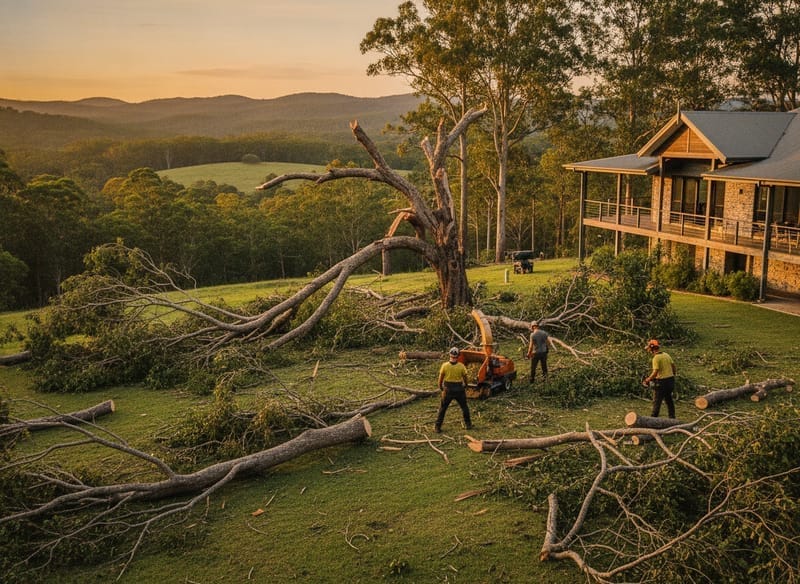
We manage the entire cleanup, from heavy lifting to green waste disposal.
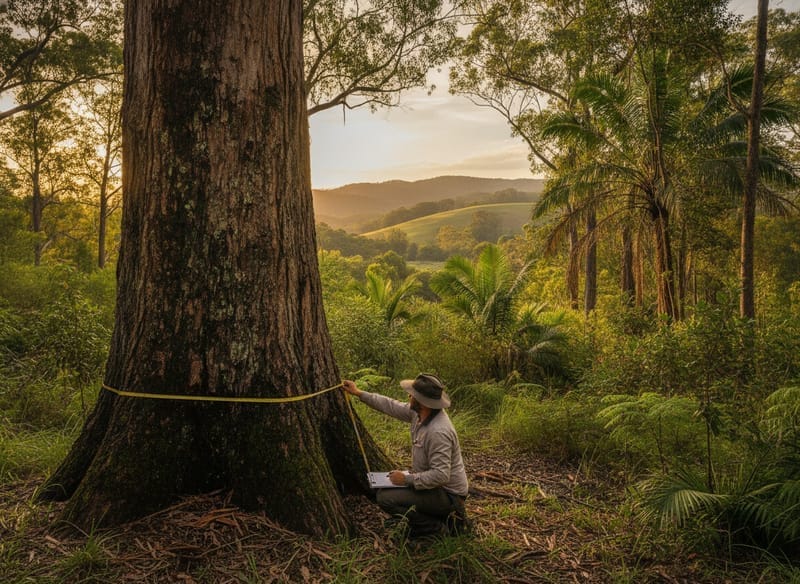
We walk the property to assess the extent of the storm damage.
You receive a comprehensive quote for the entire cleanup operation.
We use chainsaws and chippers to process fallen limbs and timber.
We check standing trees for stability before leaving the site spotless.
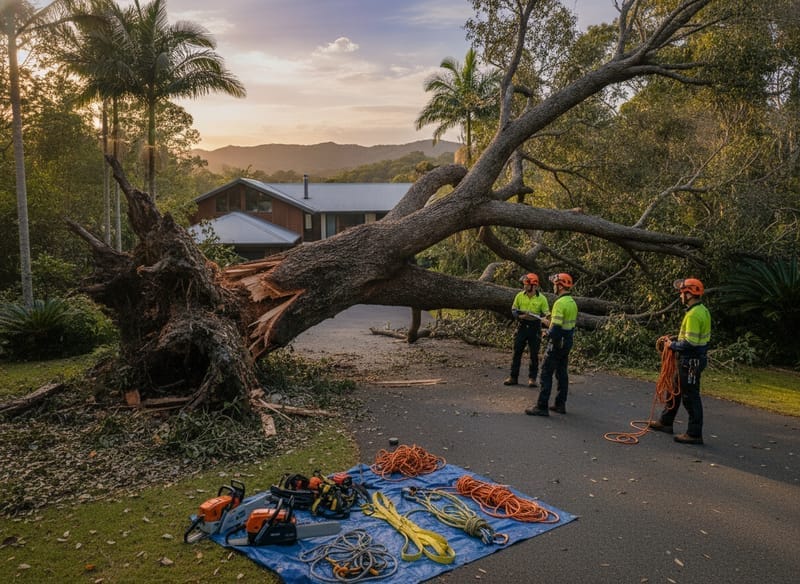
When wild spring winds and heavy rains sweep through Launceston, the aftermath can be devastating for local properties. At Launceston Arborist, we provide rapid-response Storm Damage Tree Removal Kings Meadows residents can rely on when the worst happens. Whether you are dealing with a shattered English oak across your driveway or a massive white gum threatening your roofline, our team is equipped to handle emergency make-safe works and complete cleanups. We service homeowners, property managers, and rural-residential blocks throughout Kings Meadows, St Leonards, Newstead, and the surrounding suburbs. Launceston's diverse terrain, from flat, wet blocks to steep dolerite hillsides, presents unique access challenges during extreme weather. The cool temperate climate, combined with saturated winter soils and strong spring winds from September to January, frequently pushes mature, fully leafed deciduous trees beyond their structural limits. Root-plate failures and heavy limb drops are incredibly common during this high-risk season. Our local arborists understand the extreme urgency of these dangerous situations. It goes to the top of the list to secure your property, protect your family, and remove hazardous torsion-loaded timber before secondary structural damage occurs. When emergency strikes, you need a local team with the right gear, the right training, and a deep understanding of Launceston's unique trees.
After a severe weather event, it is highly tempting to fire up a chainsaw and start clearing the debris yourself. However, storm-damaged trees are incredibly unpredictable and highly dangerous. Hung-up branches, torsion-stressed trunks, and partially uprooted root-plates store massive amounts of kinetic energy. One incorrect cut can cause the tree to snap, roll, or collapse entirely onto you, your home, or your vehicle. Under-qualified operators or 'gardeners with chainsaws' often lack the complex rigging training required to assess these dynamic loads. In an attempt to help, they may resort to unsafe lopping or topping, leaving behind jagged stubs that are entirely non-compliant with the AS4373 pruning standard. These poor cuts leave retained trees highly susceptible to rapid fungal decay, aggressive epicormic regrowth, or further catastrophic collapse in the next storm. Our team takes a highly regulated, professional approach to storm damage recovery. We are fully qualified climbing arborists trained to dismantle hazardous, tension-loaded timber safely. We use specialised rigging, elevating work platforms (EWPs), and crane-assisted methods where necessary to lift heavy timber away from your home, boundary fences, and powerlines. By choosing Launceston Arborist, you guarantee a safe, methodical removal that protects your property, aligns with Australian Standards, and ensures no lingering hidden hazards are left suspended in your canopy.
We employ a range of advanced arboricultural techniques to safely manage and remove compromised trees following a severe storm event in Launceston.
We assess the site to prioritise immediate hazards, such as fractured limbs suspended over roofs or driveways. Our climbers secure hung-up branches and systematically remove torsion-loaded timber to stabilise the site before full extraction begins.
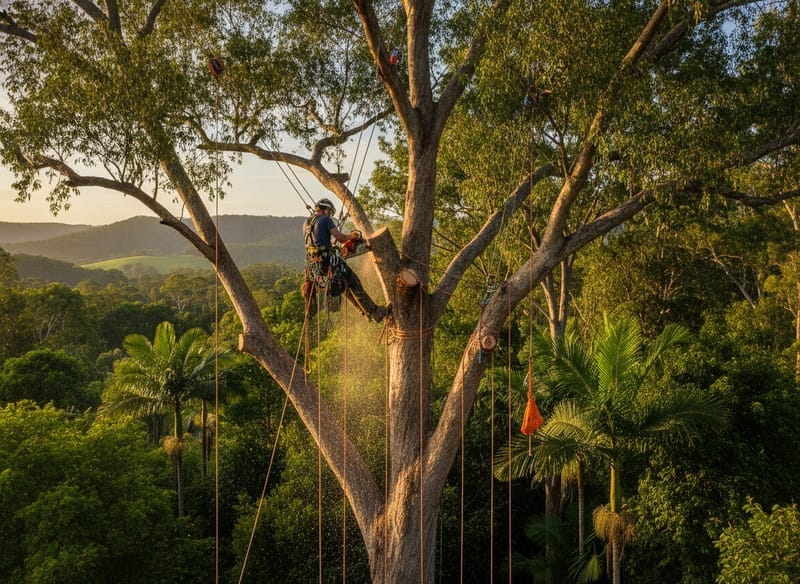
For trees in tight spaces or over structures in Kings Meadows, we use advanced double-rope techniques and specialised friction devices. This allows our arborists to lower heavy, damaged sections of English elms or eucalypts to the ground with pinpoint control.
When a mature tree has suffered a catastrophic root-plate failure and fallen directly onto a house, we utilise local crane trucks to lift whole trunk sections vertically. This entirely prevents further structural damage to your property during the removal process.
A blown-over tree often leaves a massive, exposed root-ball that poses a distinct hazard. We carefully sever the tensioned trunk, process the heavy timber, and grind out or safely backfill the root-plate cavity to restore the safety of your landscape.
When disaster strikes, you need a clear, professional path to making your property safe again. Here is exactly how we handle storm damage tree removal in Launceston. 1. Help and Site Triage When you call our team, we prioritise your property based on the immediate risk. We arrive quickly to assess standing-but-compromised trees, hung-up limbs, and structural damage to determine the safest technical approach. 2. Make-Safe and Detailed Quoting If a tree poses an immediate threat to your home or powerlines, we perform make-safe works to secure the load. We then provide a detailed, line-by-line quote that includes photos and condition notes—perfect for fast-tracking your insurance claim. We work smoothly with major insurers, providing the exact documentation they require. 3. Controlled Dismantling Once approved, our climbers and ground crew systematically process the damaged timber. We use top-handle chainsaws and heavy-duty rigging to carefully lower fractured limbs without impacting the ground below. 4. Processing and Site Cleanup All smaller branches are fed through our commercial wood chippers, while heavy trunk sections are efficiently removed via our tipper trucks or loader cranes. 5. Final Site Inspection We thoroughly rake and clear the area, checking surrounding trees for any hidden stress fractures, ensuring your property is completely safe before our trucks drive away.
Storm recovery is high-risk work, and our team meets strict safety and compliance standards. We operate under AS4373 (Pruning of Amenity Trees) to manage retained canopies, and AS4970 when protecting structural root zones of surviving trees on site.
Our ground crew and climbers all hold an AQF Level 3 in Arboriculture, along with critical high-risk work licenses, Working at Heights, and EWP tickets. For complex insurance claims or council applications, our AQF Level 5 consulting arborists can provide detailed, formal arboricultural reports to support your claim. Launceston Arborist is fully public liability insured and covered by WorkCover, giving you absolute peace of mind during highly stressful emergency works.
Launceston's unique environment directly influences how we manage storm damage. In Kings Meadows and nearby suburbs, we frequently deal with large exotics like English oaks and silver birches, as well as towering native white gums. During the windy stretch from September to January, newly leafed deciduous trees act like sails, catching heavy gusts and suffering major limb failure.
Navigating council regulations is also critical, even in an emergency. The Tasmanian Planning Scheme - Launceston generally allows exemptions for tree work required to remove an unacceptable safety risk or to clear trees that are actively damaging a building. However, properties sitting under the Natural Assets Code or Local Historic Heritage Code require a careful, documented approach. Similarly, properties on steeper slopes may trigger the Landslip Hazard Code, making stump retention critical for soil stability. Our AQF Level 5 arborists take comprehensive photos and thoroughly document the hazard before cutting. This ensures you remain completely compliant with the City of Launceston planning rules while our team quickly neutralises the danger.
After a major weather event and the subsequent cleanup, the remaining trees on your property will need close monitoring. High winds can cause microscopic fractures in branch unions that are not visible during the initial storm response. We strongly recommend a follow-up inspection 6 to 12 months after our initial visit. Keep an eye out for weeping bark, leaning trunks, or canopy dieback on your retained trees, as these are clear signs of delayed stress. If you notice any epicormic growth appearing rapidly on main branches, contact us. Our team can return to perform targeted formative pruning to rebuild a safe, wind-resistant canopy for the next Launceston storm season.
Storm cleanup costs depend on the volume of debris and site accessibility.
Call us to arrange a fast, free site assessment and cleanup quote.
Assisting with storm recovery in your neighborhood.
Contact us today for professional, fast storm damage tree removal.
Get a Free Quote