Healthier Trees
Proper cuts promote rapid healing and prevent decay and disease.
Professional, AS4373-compliant pruning for healthy, beautiful trees.
Providing expert arborist pruning across South Launceston and nearby suburbs.
Our comprehensive tree pruning South Launceston services address health, safety, and visual appeal.
South Launceston is home to large, mature exotic trees like oaks and elms, as well as native eucalypts. Each species requires a tailored pruning approach to thrive in the Tasmanian climate.
Proper cuts promote rapid healing and prevent decay and disease.
Careful crown thinning allows more winter light into your home and garden.
Removing deadwood and heavy limbs prevents dangerous failures during Launceston's windy spring season.
We inspect your tree to determine the best pruning strategy for its species and condition.
We discuss your needs—whether it's more light, better clearance, or safety.
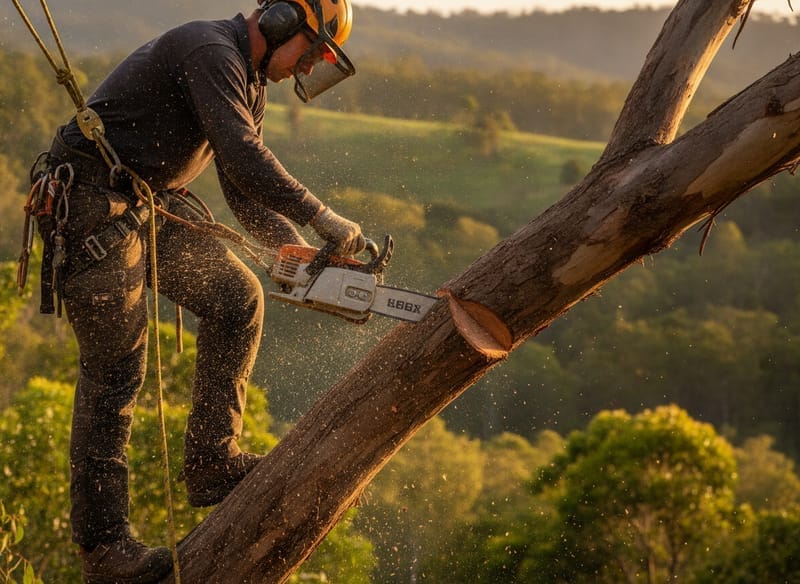
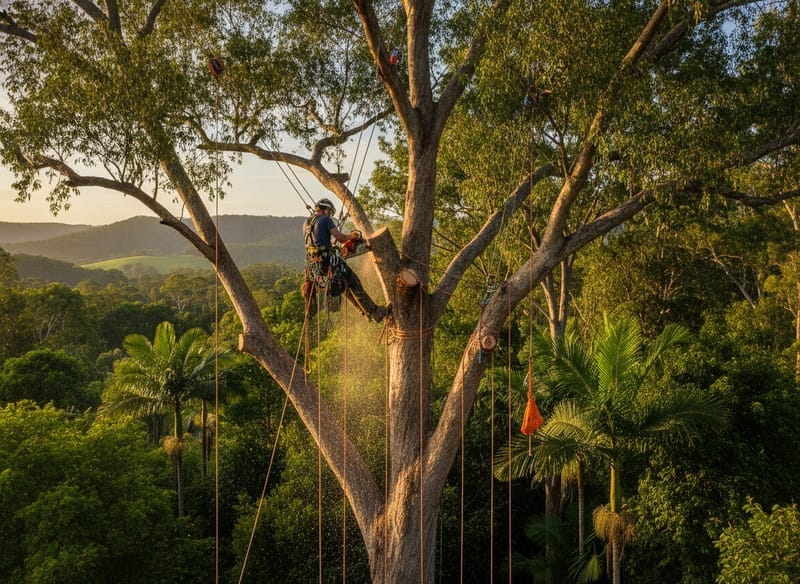
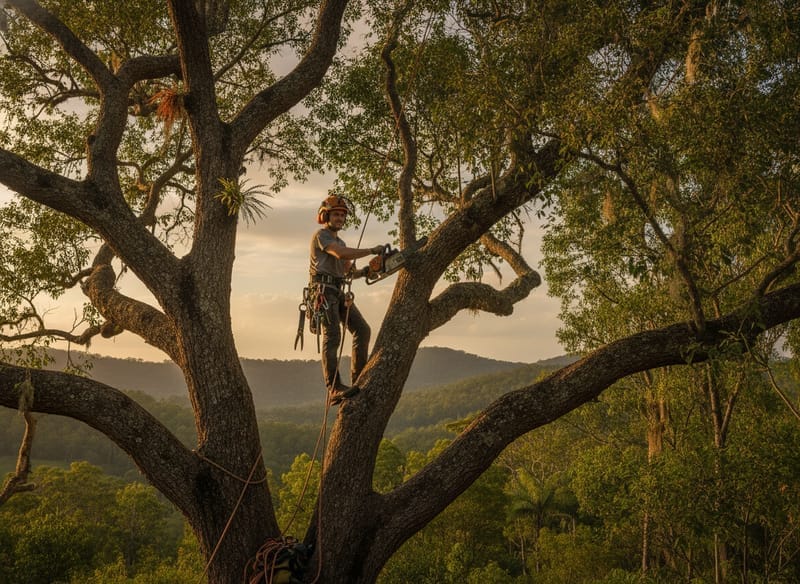
Our arborists access the canopy safely and perform precise, standard-compliant cuts.
All pruned branches are chipped and removed from your property.
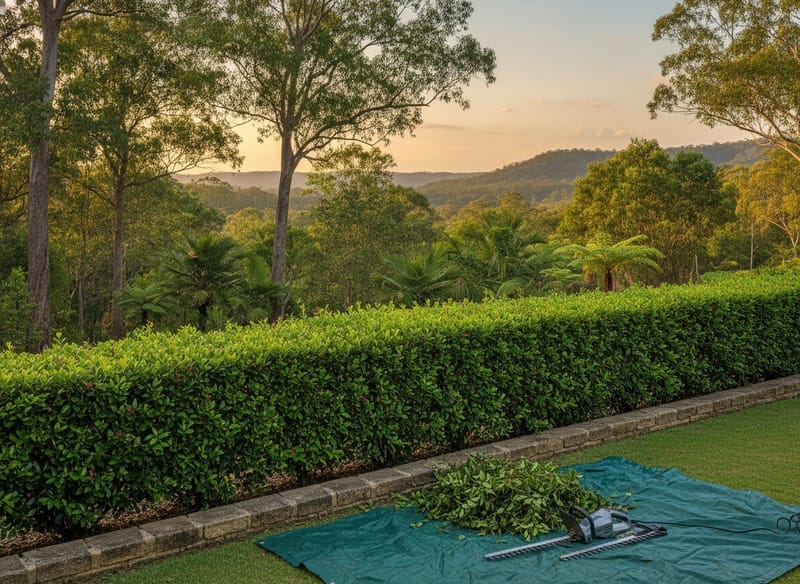
We ensure the tree looks balanced and the site is completely clean.
Welcome to Launceston Arborist. If you are looking for professional Tree Pruning South Launceston, our team is here to manage the health, safety, and structure of your mature trees. South Launceston properties often feature a stunning mix of established exotic deciduous trees and native gums, but safely managing these large canopies requires genuine arboricultural expertise.
Whether you are dealing with a heavy English oak casting too much shade, or a towering white gum dropping debris over your roofline, proactive pruning is essential. The windy spring and early summer months in our cool temperate region can put significant stress on newly leafed trees, making structural maintenance critical. We focus on preserving your trees while mitigating limb-drop risks and improving your property's solar access and pedestrian clearance.
We frequently inspect trees across Launceston that have been severely damaged by unqualified workers or DIY attempts. The most common and destructive practice is "topping" or "lopping" — indiscriminately cutting branches back to random lengths rather than identifying the correct anatomical junctions. Lopping leaves large, open wounds that are highly susceptible to decay, particularly in our wet winters. Worse, it triggers a panic response in the tree, producing weak, fast-growing epicormic shoots. These new branches are poorly attached and significantly more likely to fail during a spring gale, turning a supposed safety measure into a genuine hazard that shortens the tree's lifespan. Our solution is strictly AS4373-compliant arboriculture. When our climbers ascend a canopy, we perform precise target pruning. Every cut is made just outside the branch collar, allowing the tree to compartmentalise the wound naturally and heal over time. By selectively reducing wind load rather than amputating the canopy, we ensure your trees remain safe, beautiful, and structurally sound for decades to come.
As qualified arborists, we strictly follow the Australian Standard for Pruning of Amenity Trees (AS4373). Depending on the species, age, and location of your tree, we apply one or a combination of the following techniques to achieve your goals without compromising tree health.
Selective removal of small live branches throughout the canopy. This reduces wind resistance and allows light to penetrate without altering the tree's natural shape. We never remove more than 25–30% of live foliage in a single prune.
Precision removal of the lowest branches to increase vertical clearance under the canopy, ensuring safe passage for vehicles, pedestrians, and maintaining sight lines.
Selectively shortening branches back to a lateral branch of suitable size to reduce the overall height or spread of the canopy, always cutting at proper branch unions to prevent weak regrowth.
Systematic removal of dead, dying, or diseased branches. This is a critical safety measure for heavy limbs overhanging living areas, driveways, or play spaces.
Early-stage structural pruning for young trees to establish a single dominant leader and well-spaced scaffold branches, preventing future structural defects as the tree matures.
Targeted removal of specific problem branches, such as those interfering with powerlines, rubbing against structures, or displaying weak co-dominant stems.
Delivering high-quality tree care requires a systematic, safe approach. From your first call to the final sweep-up, here is how our team manages your pruning project. It starts with a comprehensive site assessment. One of our qualified arborists will visit your property to evaluate the tree's species, health, structural integrity, and proximity to buildings. We discuss your objectives — whether it is creating more light, clearing a roofline, or general hazard reduction — and provide a detailed, fixed-price quote outlining the exact AS4373 pruning methods we recommend. On the day of the job, our crew arrives with the right equipment for the terrain. Because many blocks around here have steep access or delicate understory gardens, we frequently utilise advanced rope-access climbing techniques rather than heavy machinery. Our climbers ascend into the canopy to perform the precise cuts required without damaging the surrounding landscape. As branches are safely rigged and lowered to the ground, our ground crew processes the material through our wood chippers. Once the pruning is complete, we rake and blow the site, ensuring your garden is left immaculate. We can either remove all green waste in our tipper trucks or leave the fresh mulch for your garden beds.
Tree pruning at height is high-risk work that demands strict safety protocols and professional credentials. Our climbing crew holds AQF Level 3 in Arboriculture, ensuring every cut is executed safely and correctly. For complex site assessments or development applications, we also have AQF Level 5 consulting capabilities to provide formal reports under AS4970 (Protection of Trees on Development Sites).
We are fully public liability insured and carry comprehensive WorkCover for all our staff, giving you complete peace of mind when we are operating on your property. Every pruning job we undertake complies strictly with AS4373 (Pruning of Amenity Trees), guaranteeing that your valuable natural assets are managed to the highest national standards.
Operating a reputable business for Tree Pruning South Launceston requires specific local knowledge. The area boasts a brilliant mix of towering natives like black peppermint and white gum, alongside sprawling exotics such as English oaks, elms, and silver birches. We carefully monitor for seasonal issues, including the constant threat of elm leaf beetle, which requires highly hygienic pruning practices to prevent spread across Launceston's historic canopy.
The Tasmanian Planning Scheme - Launceston governs tree works in this area. While there is no blanket tree control or municipality-wide trunk size rule, several critical overlays apply. If your property falls under the Local Historic Heritage Code, the Natural Assets Code, or you live on the steeper dolerite hillsides mapped under the Landslip Hazard Code, specific council approvals may be necessary even for routine pruning.
We understand these local planning instruments deeply. Whether we are conducting deadwooding over a narrow driveway or performing a crown lift on a mature oak in a heritage precinct, our team ensures all work aligns with City of Launceston requirements.
After a professional prune, your tree will naturally compartmentalise the cuts. To support this healing process, we recommend keeping the root zone well-watered during Launceston's drier late summer months. Applying a layer of the fresh mulch we generate during the job can help retain soil moisture and regulate temperature — just keep it away from direct contact with the trunk to prevent rot.
Monitor the tree over the next few seasons. While our AS4373-compliant pruning minimises stress, it is always wise to watch how the canopy responds to high spring winds. We recommend having our arborists return every 2 to 3 years to assess structural health, address any newly dead wood, and ensure the canopy remains safe and well-balanced.
Pruning prices depend on the tree's size, species, and the extent of work required.
Call us for a free quote on professional tree pruning today.
Delivering expert tree pruning throughout the region.
Book your tree pruning in South Launceston with our qualified arborists.
Request a Quote