Achieve Clearance
Gain the space and light you need without killing the tree.
We provide professional height reduction and canopy management that achieves your goals without damaging tree health.
Providing expert tree management in Summerhill and surrounding suburbs.
If a tree has outgrown its space, our Tree Lopping Summerhill services focus on structural reduction and thinning rather than aggressive topping.
Many older properties in Summerhill have large exotic trees planted too close to houses. We use precise reduction techniques to manage these trees safely within Launceston's urban environment.
Gain the space and light you need without killing the tree.
Avoid the hazardous epicormic shoots that follow traditional lopping.
Ensure your tree work doesn't violate Launceston planning codes.
We discuss what you want to achieve—more light, clearance, or hazard reduction.
We outline the best pruning or removal options to meet your goals safely.
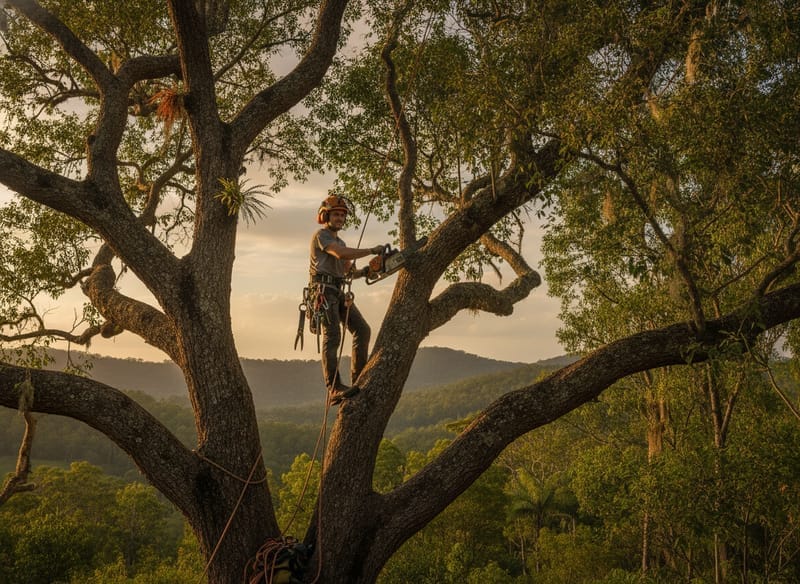
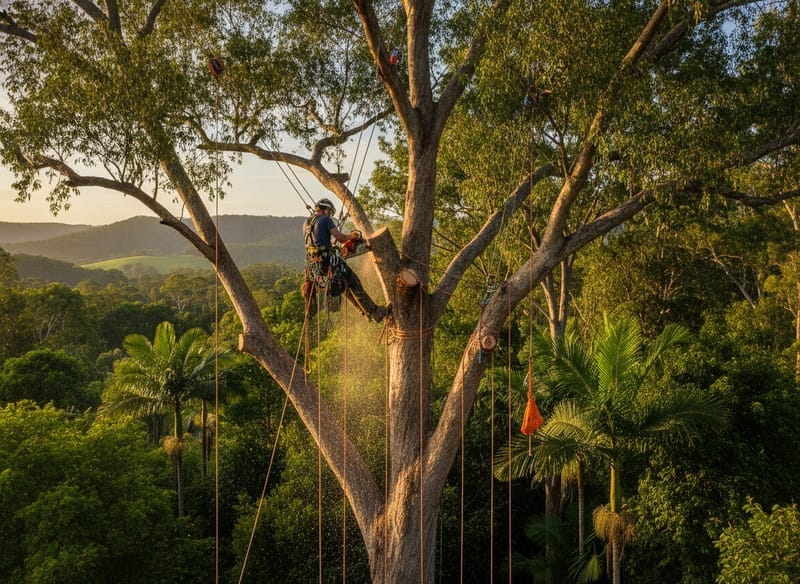
Our climbers perform selective reduction to reduce canopy size properly.
All branches and foliage are chipped and removed from site.
When you need professional Tree Lopping Summerhill properties can rely on, Launceston Arborist is your trusted local team. Summerhill is known for its established gardens and large mature trees, which add immense value and character to the suburb. However, as these trees grow, they can encroach on rooflines, block natural light, or develop hazardous overhanging branches that threaten your home during our notoriously windy spring season.
Our qualified arborists specialise in managing these large residential and acreage canopies. Whether you need to reduce the height of an imposing English oak, lift the canopy of a native white gum to clear your driveway, or manage overgrowth encroaching on your property boundaries, we provide targeted solutions. We don't just hack branches away; we use precise, professional techniques to make your trees smaller, safer, and more manageable, ensuring they continue to thrive in our cool temperate climate for years to come.
Many property owners ask us for "tree lopping" when they simply want a tree made smaller or an overhanging branch removed. However, in the arboriculture industry, strict "lopping"—which involves indiscriminate heading-back cuts and leaving large, bare stubs—is heavily discouraged. DIY or unqualified lopping causes severe damage. It promotes weak, erratic epicormic regrowth that is highly prone to snapping, accelerates fungal decay in the heartwood, and drastically shortens the tree's lifespan.
When Launceston Arborist performs Tree Lopping Summerhill, we actually apply AS4373-compliant pruning techniques to achieve your goals safely. Instead of flat-topping a tree, we perform a professional crown reduction. This involves selectively pruning branches back to the branch collar or appropriate growth points.
By carefully managing the canopy size, we can solve your clearance, light, or safety issues without destroying the tree's structural integrity. This approach ensures your property looks immaculate, the tree remains healthy, and you aren't left dealing with dangerous, snapping regrowth during the next major Tamar Valley storm.
When you book our team to reduce your canopy, we utilise specialised techniques to deliver the results you want while protecting the tree. Here is how we apply Australian Standard methods to achieve a 'lopped' result correctly.
The correct arborist technique for 'making a tree smaller'. We selectively prune branches back to lateral growth points to reduce overall height and spread. We adhere to AS4373 standards, typically removing no more than 25–30% of the live crown to prevent stress.
Removing the lowest branches of a tree to increase vertical clearance. This is essential for providing safe access over footpaths, driveways, and road verges, particularly for large, drooping exotics like English elms and oaks.
Selectively removing secondary branches throughout the canopy. This increases light penetration for gardens below and reduces 'wind sail', which is critical in Launceston to prevent storm limb failure during gusty conditions.
Targeting specific structural flaws, rubbing branches, and dead or diseased wood. This proactive maintenance removes immediate hazards and trains the tree to grow with a strong, safe central leader.
Our approach to tree lopping in Summerhill is meticulous, ensuring the safety of your property from the initial quote to the final cleanup.
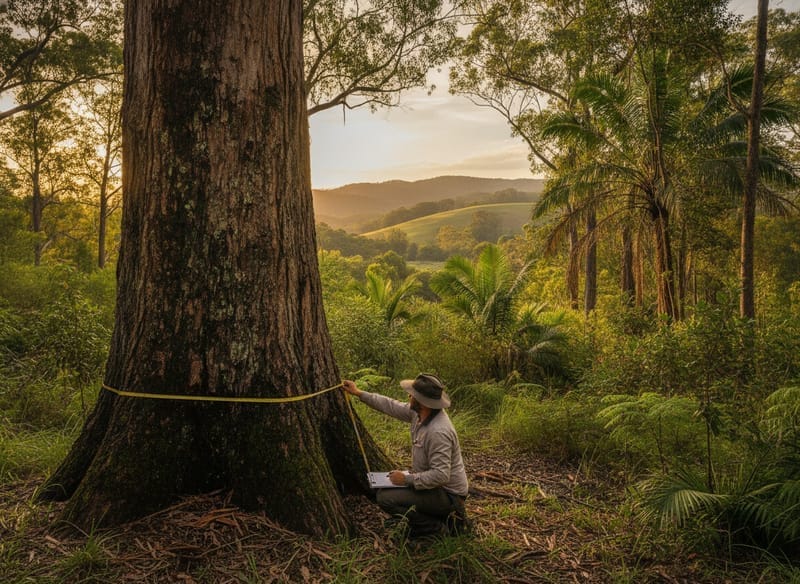
Step 1: On-Site Assessment We visit your property to evaluate the tree's health, species, and structural integrity. We assess the site access, noting steep driveways or narrow boundaries common in Summerhill, and discuss your exact goals—whether it's clearing a roofline or reducing wind risk.
Step 2: Planning and Compliance We determine the safest access method, whether that requires elevated work platforms (EWPs) or our AQF Level 3 climbing arborists using rope-access for tight spots. We also verify if your property falls under specific overlays, such as the Landslip Hazard Code or Local Historic Heritage Code.
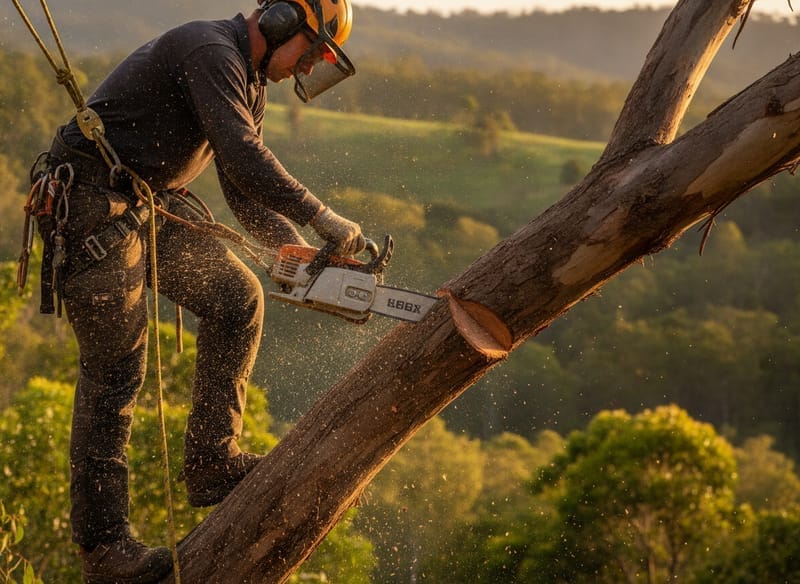
Step 3: Precision Execution Our climbers use top-handle chainsaws to make precise branch collar cuts, ensuring the tree can heal correctly. For large overhangs, we use advanced rigging techniques to lower heavy limbs safely to the ground without damaging your garden, fences, or home.
Step 4: Processing and Cleanup All branches are fed into our high-capacity wood chippers on-site. We load the mulch and larger logs into our tipper trucks, raking the area clean before we leave so your property is pristine.
All our canopy reduction and pruning work is strictly carried out in accordance with AS4373 (Pruning of Amenity Trees). Our crews are led by AQF Level 3 certified arborists, ensuring every cut is horticulturaly sound and safe. For more complex planning needs, we also have AQF Level 5 consulting arborist capacity.
Safety is our paramount concern. Our business is fully insured with comprehensive Public Liability and WorkCover for all employees. Our team holds all necessary tickets, including Working at Heights, EWP licences, and First Aid, so you have complete peace of mind when our trucks arrive on site.
Managing trees in Summerhill requires specific local knowledge. The suburb features a mix of robust native species like black peppermint and white gum, alongside established exotic deciduous trees like silver birch and English oak. Our cool temperate climate means we must time pruning correctly, particularly to minimise winter frost damage to fresh cuts and to reduce wind-sail ahead of the spring gales.
Under the Tasmanian Planning Scheme - Launceston, there is no blanket municipal tree control. However, property owners must be aware of specific overlays. If your property is situated on a steep block covered by the Landslip Hazard Code, or near mapped priority vegetation under the Natural Assets Code, careless lopping can trigger compliance issues.
We navigate these local regulations daily. Whether dealing with the heavy dolerite clay soils that impact root stability or managing tight access on sloped residential blocks, we tailor our approach to suit Summerhill's unique environment.
After we have successfully reduced your tree's canopy, proper aftercare is vital. We recommend applying a high-quality organic mulch around the base to retain soil moisture during Launceston's dry late summers. Ensure the tree receives adequate water, but hold off on heavy nitrogen fertilisers, as this can force weak epicormic growth from the fresh cuts.
Monitor the tree over the following months. Healthy trees will compartmentalise the pruning wounds naturally. Depending on the species and its growth rate, most large amenity trees will require their next structural assessment and light pruning cycle in 3 to 5 years. Call us back if you notice any sudden dieback or unusual fungal fruiting bodies on the trunk.
The cost of canopy reduction depends on the scope of work required.
We'll provide a free, transparent quote for the most effective solution.
We manage overgrown trees across:
Contact us for professional advice and a free quote in Summerhill.
Get a Free Quote